loading

Author: Sanjay Sharma

Tarot Ethics Every Reader Should Know: A Complete Guide to Professional Practice

Whether you’re just starting your journey as a tarot reader or you’ve been reading professionally for years, understanding and practicing proper tarot reading ethics is fundamental to providing meaningful, responsible service to your clients. In this comprehensive guide, we’ll explore the essential ethical principles that every tarot reader should follow to build trust, maintain professionalism, and create transformative experiences.

What Are Tarot Reading Ethics?


Tarot reading ethics are the professional standards and moral principles that guide how we conduct ourselves as readers. These ethics protect both the reader and the client, ensuring that tarot sessions remain safe, respectful, and empowering spaces for guidance and insight.


Professional tarot reader ethics go beyond simply knowing how to interpret cards. They encompass confidentiality, honesty, respect for client autonomy, and a commitment to doing no harm. Just as counselors, therapists, and coaches follow ethical guidelines, professional tarot readers must also uphold standards that honor the sacred trust clients place in us.

Why Tarot Ethics Matter


The practice of tarot reading involves accessing vulnerable aspects of a person’s life. Clients often come to us during challenging times, seeking clarity about relationships, career decisions, health concerns, or life purpose. This vulnerability creates a power dynamic that ethical tarot readers must handle with care and integrity.


Without strong ethical foundations, tarot reading can potentially cause harm through:


  • Invasion of privacy
  • Creating unhealthy dependence
  • Making false promises or guarantees
  • Exploiting vulnerable individuals
  • Providing advice outside our scope of expertise
  • Violating client trust and confidentiality

By following ethical tarot reading practices, we honor our clients, our craft, and ourselves as practitioners.


The 10 Essential Principles of Tarot Reading Ethics


1. Maintain Strict Client Confidentiality


The Principle: Everything shared during a tarot reading must remain completely confidential unless the client gives explicit permission to share.

Client confidentiality is the cornerstone of ethical tarot reading. When someone sits down for a reading, they’re trusting you with personal, often intimate details of their life. This trust must never be violated.


How to Practice:

  • Never discuss a client’s reading with others, even anonymously
  • Don’t share reading details on social media or in marketing materials without written consent
  • Store client information securely
  • Be mindful of where you conduct readings to ensure privacy
  • If you need to discuss a case for learning purposes (with a mentor), remove all identifying information


Exception: The only time confidentiality can be broken is if someone is in immediate danger of harm to themselves or others. Even then, this should be handled delicately and professionally.


2. Practice Honesty and Authenticity


The Principle: Always provide honest interpretations based on the cards, without exaggeration, fabrication, or telling clients only what they want to hear.


Ethical tarot reading requires us to be truthful while remaining compassionate. This doesn’t mean being harsh or insensitive, but it does mean avoiding the temptation to sugarcoat difficult messages or invent positive outcomes when the cards suggest challenges.


How to Practice:

  • Interpret cards as you genuinely see them
  • Don’t make up information to appear more “psychic”
  • If you’re uncertain about a card’s meaning, admit it
  • Deliver challenging messages with kindness but without dilution
  • Never exaggerate your abilities or credentials


Remember: your role is to empower clients with insight, not to become a people-pleaser at the expense of truth.


3. Respect Client Free Will and Autonomy


The Principle: Tarot readings should empower clients to make their own decisions, not dictate what they “must” do.


One of the most important aspects of professional tarot reader ethics is recognizing that clients are the experts on their own lives. The cards offer perspective, but clients must retain full autonomy over their choices.


How to Practice:

  • Frame guidance as suggestions and possibilities, not commands
  • Use language like “The cards suggest…” or “This might indicate…” rather than “You must…” or “You have to…”
  • Encourage clients to trust their own intuition
  • Support their decision-making process without imposing your personal opinions
  • Never use fear tactics or manipulation to influence choices


A reading should leave clients feeling empowered and clear, not controlled or pressured.


4. Know Your Scope and Limitations


The Principle: Recognize what you’re qualified to address and when to refer clients to other professionals.


Tarot readers are not doctors, lawyers, therapists, or financial advisors—unless we hold those specific credentials. Ethical tarot reading means understanding our boundaries and not providing advice outside our expertise.


How to Practice:

  • Never diagnose medical conditions or prescribe treatments
  • Don’t provide legal advice or tell clients what to do in legal situations
  • Refer clients with mental health concerns to licensed therapists
  • Don’t give specific financial or investment advice
  • Be clear about what tarot can and cannot do


When to Refer:

  • Mental health crises or signs of severe depression/anxiety
  • Medical symptoms requiring diagnosis
  • Legal matters requiring professional counsel
  • Complex financial decisions requiring expert analysis
  • Situations involving abuse or immediate danger


You can still provide spiritual and intuitive guidance while acknowledging these boundaries.


5. Avoid Creating Client Dependency


The Principle: Empower clients to develop their own insight rather than becoming dependent on regular readings for every decision.


Creating client dependency is one of the most serious ethical violations in tarot reading. While repeat clients are normal and valuable, ethical tarot readers help people develop their own inner wisdom rather than fostering reliance.


How to Practice:

  • Space out readings appropriately (not daily or even weekly for the same issue)
  • Teach clients how to use their own intuition
  • Decline readings when someone is asking the same question too frequently
  • Set boundaries around reading frequency
  • Empower clients to trust themselves between sessions
  • Offer educational resources about tarot and intuition development


Red Flags:

  • Clients wanting readings for every minor decision
  • Reading for the same question within days or weeks
  • Clients unable to make choices without consulting cards
  • Excessive emotional attachment to you as a reader


6. Price Services Fairly and Transparently


The Principle: Be clear about pricing, avoid exploitation, and ensure services are accessible while valuing your work appropriately.


Ethical pricing in tarot reading means finding a balance between valuing your expertise and not exploiting vulnerable people seeking guidance.


How to Practice:

  • Clearly communicate your pricing before bookings
  • Explain what’s included in each service level
  • Don’t use high-pressure sales tactics
  • Avoid making readings seem urgent or time-sensitive to manipulate purchases
  • Consider offering sliding scale options for those in genuine financial need


Warning Signs of Unethical Pricing:

  • Claiming clients have “curses” that require expensive removal
  • Insisting on repeat sessions at inflated prices
  • Creating false urgency to sell services
  • Charging vastly different prices for the same service based on perceived client wealth


7. Deliver Messages with Compassion


The Principle: Even difficult messages should be delivered with kindness, empathy, and respect for the client’s emotional state.


Part of responsible tarot practice is developing the skill to communicate challenging information in a way that’s honest yet compassionate. The goal is to support growth, not to cause unnecessary distress.


How to Practice:

  • Consider the client’s emotional state and adjust delivery accordingly
  • Focus on empowerment and possibilities rather than doom
  • Frame challenges as opportunities for growth
  • Offer practical guidance alongside difficult messages
  • Check in with clients about how they’re processing the information
  • End readings on a hopeful or empowering note when appropriate


Example:

  • Unethical: “This card means your relationship is doomed and will definitely end.”
  • Ethical: “This card suggests significant challenges in the relationship. It’s asking you to look honestly at what’s not working and whether changes are possible or if it might be time to reevaluate the partnership.”


8. Obtain Informed Consent


The Principle: Ensure clients understand what a tarot reading involves, its limitations, and their rights before beginning.


Professional tarot reader ethics require that clients give informed consent—meaning they understand what they’re agreeing to when they book a reading.


How to Practice:

  • Explain what tarot is and isn’t (not fortune-telling, not guaranteed predictions)
  • Clarify the reading format and what to expect
  • Discuss confidentiality and its limits
  • Allow clients to decline to answer questions or discuss certain topics
  • Give clients the option to stop the reading if they’re uncomfortable
  • Provide disclaimers about tarot being for guidance


Sample Disclaimer: “Tarot readings are for spiritual guidance and personal insight only. They are not a substitute for professional medical, legal, financial, or psychological advice. You retain full responsibility for your decisions and actions.”


9. Respect Cultural and Spiritual Diversity


The Principle: Honor different belief systems, cultural backgrounds, and spiritual practices without imposing your own views.


Ethical tarot reading means creating an inclusive space where people of all backgrounds feel respected and understood.


How to Practice:

  • Don’t assume clients share your spiritual beliefs
  • Respect religious boundaries and concerns
  • Learn about cultural differences in discussing topics like family, relationships, and destiny
  • Adapt your language to be inclusive
  • Never mock or dismiss a client’s beliefs
  • Be open to different interpretations and worldviews


10. Commit to Continuous Learning and Self-Reflection


The Principle: Regularly examine your practice, seek feedback, and continue developing your skills and ethical understanding.


Tarot reading ethics isn’t a one-time checklist—it’s an ongoing practice of self-awareness and growth.


How to Practice:

  • Regularly reflect on your readings and client interactions
  • Seek mentorship or supervision from experienced readers
  • Continue education through courses, books, and workshops
  • Request feedback from clients
  • Join professional tarot communities for peer support
  • Examine your own biases and how they might affect readings
  • Practice self-care to avoid burnout and maintain clear boundaries


Common Ethical Dilemmas in Tarot Reading


Dilemma 1: A client asks about someone who isn’t present


The Issue: Reading about third parties (someone’s partner, family member, boss) without their consent raises privacy concerns.

Ethical Approach:

  • Focus the reading on how the situation affects your client
  • Interpret cards from your client’s perspective only
  • Don’t make definitive statements about the other person’s thoughts or intentions
  • Encourage direct communication rather than using tarot as surveillance


Dilemma 2: The cards show something very concerning


The Issue: You see indicators of serious problems (health issues, betrayal, financial loss) but don’t want to cause panic.

Ethical Approach:

  • Share the information honestly but compassionately
  • Focus on empowerment and what the client can do
  • Avoid making absolute predictions
  • Suggest appropriate professional resources if needed
  • Remember that cards show possibilities and energies, not fixed futures


Dilemma 3: A client wants frequent readings for the same issue


The Issue: Someone books multiple sessions within a short time asking the same question, suggesting dependency.

Ethical Approach:

  • Gently set boundaries about reading frequency
  • Explain that the cards need time to reflect changes
  • Encourage the client to take action based on previous guidance
  • Offer resources for developing their own decision-making skills
  • Consider declining the booking if dependency patterns are concerning


Dilemma 4: A client offers you extra money for a “better” outcome


The Issue: Someone tries to pay more to influence the cards or reading.

Ethical Approach:

  • Firmly but kindly explain that readings don’t work that way
  • Clarify that you interpret the cards as they appear
  • Maintain consistent pricing regardless of client requests
  • This is a clear boundary that must not be crossed


Creating Your Personal Code of Ethics


While these ten principles provide a strong foundation, every professional tarot reader should develop their own written code of ethics. This document serves as your professional compass and can be shared with clients to build trust.


Your code of ethics should include:

  • Your commitment to confidentiality and its exceptions
  • How you handle client information and data
  • Your scope of practice and limitations
  • Referral procedures for issues outside your expertise
  • Pricing and refund policies
  • Reading frequency guidelines
  • How you handle conflicts of interest
  • Your approach to third-party readings
  • Continuing education commitments
  • How clients can provide feedback


Teaching Ethics to New Readers


If you train tarot readers, incorporating ethics from the beginning is crucial. Don’t wait until students have developed bad habits—make ethical tarot reading practices part of the foundation.


Include in your curriculum:

  • Case studies of ethical dilemmas
  • Role-playing exercises for difficult situations
  • Discussion of real-world ethical challenges
  • Ongoing mentorship and ethical reflection
  • Resources for continued learning


The Legal Side of Tarot Ethics


While tarot reading ethics are primarily about moral responsibility, there are legal considerations as well:

Disclaimers: Most jurisdictions require disclaimers stating that readings are for spiritual guidance only.

Professional Licensing: Some areas require business licenses or registration. Research local requirements.

Data Protection: If you store client information, you must comply with data protection regulations (like GDPR in Europe).

Advertising Standards: Make truthful claims about your services and credentials.

Insurance: Consider professional liability insurance to protect yourself and your clients.


Red Flags: Unethical Tarot Practices to Avoid


Being aware of unethical practices helps you avoid them and recognize them in others:

Curse removal scams – Claiming clients have curses that require expensive removal

Fear mongering – Using scare tactics to manipulate or sell services

Guaranteed outcomes – Promising specific results or that readings are 100% accurate

Medical diagnoses – Claiming to diagnose or cure health conditions

Love spell selling – Offering spells or rituals to manipulate others’ free will

Creating dependency – Encouraging excessive reading frequency

Sharing client information – Violating confidentiality

Reading without consent – Doing readings on people who haven’t asked for them

Absolutist predictions – Claiming to know exactly what will happen

Credential fabrication – Lying about training, experience, or abilities


Building Trust Through Ethical Practice


When you consistently practice ethical tarot reading, you build:

Client Trust: People feel safe opening up and returning for future guidance

Professional Reputation: Word-of-mouth recommendations based on your integrity

Personal Integrity: Confidence in your work and alignment with your values

Community Respect: Recognition from fellow readers and the wider spiritual community

Sustainable Business: Long-term success built on ethics rather than manipulation


Questions to Ask Yourself Regularly


Maintain ethical awareness through regular self-reflection:

  1. Am I reading from a place of genuine service or ego?
  2. Are my boundaries with clients clear and healthy?
  3. Am I continuing to educate myself and improve?
  4. Do I honor client confidentiality consistently?
  5. Am I respecting client autonomy and free will?
  6. Are my prices fair and transparent?
  7. Am I staying within my scope of practice?
  8. Do I handle difficult messages with compassion?
  9. Am I creating client empowerment or dependency?
  10. Would I be comfortable if my practices were public?


Conclusion: Ethics as a Spiritual Practice


Tarot reading ethics aren’t just rules to follow—they’re a spiritual practice of integrity, compassion, and service. When we approach tarot reading with ethical awareness, we honor the sacred trust our clients place in us and the profound responsibility we carry as guides.


Whether you’re reading professionally or for friends and family, these ethical principles ensure that your practice creates empowerment, healing, and positive transformation. Remember that being an ethical tarot reader doesn’t mean being perfect—it means being committed to ongoing growth, honest self-reflection, and genuine care for those we serve.


As you continue your journey as a tarot reader, let these ethics guide you not as restrictions, but as a framework for offering your gifts with integrity and love.


Ready to Deepen Your Tarot Practice?


At The Tarotpreneur, we’re committed to training ethical, professional tarot readers who make a positive impact in the world. Our comprehensive tarot courses cover not only card meanings and spreads but also the essential ethics and professional practices that set exceptional readers apart.


Explore Our Tarot Courses →

Book a Consultation →

Join Our Community →

Join Our Channel →


Frequently Asked Questions About Tarot Reading Ethics


1. Can I read tarot for someone without telling them?

No, this is generally considered unethical. People have a right to privacy, and doing readings without consent violates that boundary. Always ask permission before reading for someone.

2. How often should I allow a client to book readings?

Most ethical readers recommend spacing readings at least 3-4 weeks apart for the same issue, and 2-3 months for general life readings. This prevents dependency and allows time for energy to shift.

3. What should I do if a client shares thoughts of self-harm?

This is beyond a tarot reader’s scope. Express concern, encourage them to seek immediate help (crisis hotline, therapist, emergency services), and provide appropriate resources. Don’t attempt to handle this yourself unless you’re a licensed mental health professional.

4. Is it ethical to read tarot professionally without formal training?

While there’s no required certification for tarot readers, ethical practice includes: continuous learning, understanding card meanings deeply, knowing your limitations, and following ethical guidelines. Professional training is highly recommended.

5. Can I share client testimonials?

Only with explicit written permission. Even then, consider removing identifying details unless the client specifically approves their name and information being shared.

7. Should I read when I’m in a bad emotional state?

No. Ethical practice includes self-care and recognizing when you’re not in the right headspace to serve clients properly. It’s better to reschedule than provide a compromised reading.

8. What if I see something really bad in the cards?

Focus on empowerment, not fear. Explain that cards show current energy and possibilities, not fixed fate. Discuss what the client can do to navigate the situation. Always be honest but compassionate.

9. How do I set ethical boundaries as a new reader?

Start by creating a written code of ethics, set clear policies (pricing, cancellation, frequency), practice saying no to situations that feel uncomfortable, and seek mentorship from experienced ethical readers.


About the Author:

Sanjay Sharma is India’s leading tarot life coach with 27+ years of experience. As the founder of The Tarotpreneur, he’s dedicated to training ethical, professional tarot readers who transform lives with integrity and compassion. Learn more at www.thetarotpreneur.com 


Related Articles:

Can Tarot Predict the Future? Myths vs. Reality

One of the most common questions people ask about tarot is: “Can tarot predict the future?” It’s a fair question, especially if you’ve seen tarot portrayed in movies as mystical fortune-telling that reveals exact events. The truth, however, is far more nuanced and empowering than your belief.

Let’s understand what tarot can genuinely offer you.

The Biggest Myth: Tarot Shows a Fixed Future


The Myth: Tarot cards reveal a predetermined future that will happen no matter what you do.


The Reality: Tarot doesn’t predict a fixed future because the future isn’t fixed. Every choice you make creates new possibilities. Think of your life as a river with many tributaries—tarot shows you the current flow and where it’s heading if you continue on your present path, but you can always change direction.


Tarot readings reveal probable outcomes based on your current energy, thoughts, choices, and circumstances. If you don’t like what the cards show, you have the power to make different choices and create a different outcome.

What Tarot Actually Does ?


So if tarot doesn’t predict a fixed future, what does it do? Here’s what makes tarot genuinely powerful:

– Reflects Your Current Energy

Tarot acts like a mirror, showing you the energies, patterns, and influences surrounding your situation right now. It reveals what you might be unconsciously aware of but haven’t fully acknowledged.

– Shows Potential Outcomes

Based on your current path, tarot indicates likely directions and outcomes. If you keep making the same choices, these are the results you might experience. Change your choices, change your future.

– Reveals Hidden Influences

Tarot uncovers subconscious blocks, unseen opportunities, other people’s energies affecting you, and factors you haven’t considered. This awareness empowers better decision-making.

– Provides Guidance

Rather than dictating what will happen, tarot offers guidance on how to navigate your situation most effectively. It’s like having a wise counselor who sees patterns you might miss.


How Accurate Is Tarot?

Tarot accuracy depends on several factors:

– The Reader’s Skill and Intuition

An experienced reader who combines knowledge of card meanings with strong intuition provides more accurate insights than someone just starting out. Reading tarot is both an art and a skill developed over years.

– The Question’s Clarity

Vague questions like “What does the future hold?” yield vague answers. Specific questions like “What do I need to know about this job opportunity?” produce clearer, more actionable guidance.

– Your Openness

If you’re skeptical or closed off during a reading, your energy blocks the intuitive connection. Openness doesn’t mean blind belief—it means being receptive to insights.

– Timing and Free Will

Tarot shows possibilities in the present moment. As you and others make choices, timelines shift. A reading about a relationship can change if either person makes different decisions.


Most professional readers report that clients find tarot readings 80-90% accurate in describing current situations and energies. Timing predictions are less precise because of the fluid nature of free will.

Common Tarot Myths Debunked

1. Myth: The Death Card Means Someone Will Die

Reality: The Death card rarely indicates physical death. It represents transformation, endings that lead to new beginnings, and necessary change. It’s actually one of the most positive cards for personal growth.

2. Myth: You Shouldn’t Read Tarot for Yourself

Reality: You absolutely can read tarot for yourself! It’s an excellent tool for self-reflection and personal growth. The only challenge is remaining objective when emotionally invested in the outcome.

3. Myth: Tarot Is Evil or Dark Magic

Reality: Tarot is simply a tool for accessing intuition and subconscious wisdom. It has no inherent good or evil—it depends entirely on the reader’s intention. Most tarot readers approach it as a spiritual practice focused on helping and healing.

4. Myth: You Must Be Psychic to Read Tarot

Reality: While intuition helps, tarot is a learnable skill. The cards have specific meanings, and with study and practice, anyone can become a competent reader. Your natural intuition develops as you practice.

5. Myth: Tarot Readings Are Always 100% Accurate

Reality: No divination method is 100% accurate all the time. Tarot is remarkably insightful for understanding present energies and probable outcomes, but variables like free will and timing make absolute predictions impossible.

When Tarot Predictions Come True

You might hear stories of incredibly accurate tarot predictions, and they do happen. Here’s why:

– Strong Current Trajectories: When someone is firmly on a specific path with strong momentum, tarot can accurately predict outcomes because dramatic change is unlikely.

– Pattern Recognition: Tarot excels at identifying recurring patterns. If you keep repeating the same behaviors, the outcomes will likely repeat too.

– Timing with Fixed Events: For events with set timelines (like a wedding you’ve already planned), tarot can offer accurate insights about how things will unfold.

– Karmic Situations: Some life lessons or karmic patterns have strong energy behind them, making them more predictable through tarot.

How to Get the Most Accurate Tarot Reading ?

Want reliable insights from your tarot reading? Follow these guidelines:

1. Ask Specific Questions: Instead of “What’s my future?”, ask “What do I need to know about this career decision?” or “How can I improve my relationship?”

2. Focus on What You Can Control: Frame questions around your actions and choices rather than trying to control others or external circumstances.

3. Be Open to Unexpected Answers: Sometimes the cards answer the question you need to ask, not the one you thought you were asking.

4. Use Tarot for Guidance, Not Dependency: Consult tarot for insight and perspective, but don’t let it replace your own judgment and decision-making.

5. Choose Experienced Readers: Professional readers with years of experience provide more nuanced, accurate interpretations than automated online readings or beginners.

The Real Power of Tarot

The true magic of tarot isn’t in predicting the future—it’s in empowering you to create it. When you understand the energies at play, recognize your patterns, see your blind spots, and receive guidance on your options, you make better choices. Better choices create better outcomes.

Tarot doesn’t tell you what will happen; it shows you what could happen and helps you consciously choose your path forward. That’s far more valuable than a fixed prediction would be.

Your Future Is in Your Hands

Can tarot predict the future? Yes and no. It can show you where you’re headed based on your current trajectory, but it can’t account for the infinite possibilities created by free will—yours and others’. That’s not a limitation; it’s actually tarot’s greatest gift. You’re not locked into any outcome. You have the power to change your future every single day.


Tarot is less about fortune-telling and more about fortune-creating. It’s a tool for self-awareness, guidance, and empowerment. Used wisely, it helps you navigate life with greater clarity and confidence.


Ready to experience tarot’s insights for yourself? Book your tarot reading and discover what the cards reveal about your current path and possibilities.


Frequently Asked Questions


Q: How far into the future can tarot see? A: Tarot is most accurate for the present and near future (3-6 months). Beyond that, too many variables change. For longer timeframes, focus on general trends rather than specific predictions.

Q: What if I don’t like what the cards say? A: Remember, tarot shows probable outcomes based on your current path. If you don’t like the forecast, you have the power to make different choices and change the outcome.

Q: Can tarot tell me yes or no answers? A: While some spreads offer yes/no guidance, tarot works best with open-ended questions that provide context and actionable insights rather than binary answers.

Q: Should I get multiple readings on the same question? A: Wait at least 3-4 weeks between readings on the same topic. Getting multiple readings immediately can create confusion and prevent you from taking action on the guidance you’ve received.


Experience the transformative power of tarot guidance. Located in Hyderabad, The Tarotpreneur offers both online and in-person tarot consultations that empower you with clarity and insight.


Have you experienced surprisingly accurate tarot predictions? Share your story in the comments below!


Related Articles:

Understanding Your Birth Chart: A Beginner’s Guide to Vedic Astrology

Have you ever wondered why you’re so much more than just your zodiac sign? While your Rashi (Sun sign) is important, it’s only one piece of your cosmic puzzle. Your complete Kundali—also called Janma Kundali or birth chart—is like a snapshot of the sky at the exact moment you were born, revealing your karmic blueprint, dharma (life purpose), and soul’s journey.

If Vedic astrology has always intrigued you but seemed too complex, this beginner’s guide will help you understand your Kundali and unlock its profound wisdom.

What Is a Kundali?


Your Kundali is a map of planetary positions at your exact birth time, date, and location. In Vedic astrology (Jyotish), this chart reveals your past karmas, present circumstances, and future possibilities. Unlike Western astrology, Vedic astrology uses the sidereal zodiac (actual star positions) and emphasizes the Moon sign and Nakshatras (lunar mansions).

Your Kundali captures:


  1. The 9 planets (Navagrahas)
  2. The 12 Rashis (zodiac signs)
  3. The 12 Bhavas (houses)
  4. 27 Nakshatras (lunar mansions)
  5. Planetary periods (Dashas)

What You Need to Create Your Kundali


To generate an accurate Kundali, you need:

1. Date of Birth – Day, month, and year

2. Time of Birth – As exact as possible (check your birth certificate)

3. Place of Birth – City and country


Your birth time is crucial as it determines your Lagna (Ascendant) and Bhava placements. Even a few minutes can change your Lagna.

The Essential Three: Rashi, Chandra, and Lagna


Your Rashi (Sun Sign): Your Soul’s Expression

What It Represents: Your atma (soul), father, authority, and vitality.

What It Reveals: Your core character, ego, and life force. In Vedic astrology, the Sun represents your soul’s current expression.

Example: Rashi in Simha (Leo) creates natural leadership qualities, while Rashi in Meena (Pisces) brings spiritual inclination.


Your Chandra Rashi (Moon Sign): Your Mind and Emotions

What It Represents: Your manas (mind), emotions, mother, and subconscious.

What It Reveals: In Jyotish, the Moon sign is considered most important as it governs your mind and emotional nature. Your Nakshatra adds deeper layers of meaning.

Example: Chandra in Karka (Cancer) needs emotional security, while Chandra in Kumbha (Aquarius) needs mental freedom.


Your Lagna (Ascendant): Your Physical Body and Life Path

What It Represents: Your physical body, health, personality, and how you approach life.

What It Reveals: The Lagna is the foundation of your entire Kundali. It determines which planets become benefic or malefic for you and shows your karmic lessons.

Example: Kanya Lagna (Virgo) appears analytical and service-oriented, while Dhanu Lagna (Sagittarius) seems optimistic and philosophical.


Understanding the Navagrahas (Nine Planets)

Vedic astrology considers nine planets (including Rahu and Ketu, the lunar nodes):

1. Surya (Sun) – Soul and Authority

Your self-confidence, father, government, vitality, and spiritual growth.

2. Chandra (Moon) – Mind and Emotions

Your mental peace, mother, emotions, and public image. The most important planet in Jyotish.

3. Mangal (Mars) – Energy and Courage

Your courage, siblings, property, and physical strength. Can cause Mangal Dosha in certain positions.

4. Budh (Mercury) – Intelligence and Communication

Your intellect, communication, business skills, and analytical abilities.

5. Guru (Jupiter) – Wisdom and Expansion

Your dharma, wisdom, children, wealth, and spiritual teacher. The great benefic in Vedic astrology.

6. Shukra (Venus) – Luxury and Relationships

Your marriage, luxury, arts, and material comforts. Another benefic planet.

7. Shani (Saturn) – Karma and Discipline

Your karmic lessons, longevity, hardships, and discipline. Teaches through restrictions and delays.

8. Rahu – Worldly Desires

Illusions, foreign connections, sudden gains, and material ambitions. A shadow planet creating intense desires.

9. Ketu – Spiritual Liberation

Detachment, spirituality, past life karma, and moksha. The other shadow planet bringing spiritual insights.

The 12 Bhavas (Houses): Life Areas

Each Bhava represents specific life areas:


1st Bhava (Tanu) – Self: Physical body, personality, health

2nd Bhava (Dhana) – Wealth: Finances, family, speech, food

3rd Bhava (Sahaja) – Siblings: Courage, siblings, short journeys, skills

4th Bhava (Sukha) – Home: Mother, home, vehicles, inner peace,

5th Bhava (Putra) – Children: Children, creativity, intelligence, past karma

6th Bhava (Ripu) – Enemies: Diseases, debts, enemies, service, obstacles

7th Bhava (Kalatra) – Marriage: Spouse, partnerships, business, public image

8th Bhava (Ayur) – Longevity: Transformation, longevity, inheritance, occult

9th Bhava (Dharma) – Fortune: Father, luck, dharma, higher learning, spirituality

10th Bhava (Karma) – Career: Career, reputation, authority, actions

11th Bhava (Labha) – Gains: Income, gains, friends, fulfillment of desires

12th Bhava (Vyaya) – Loss: Expenses, losses, foreign lands, moksha, isolation


Nakshatras: The 27 Lunar Mansions

Your Moon’s Nakshatra is crucial in Vedic astrology, determining:

  1. Your personality traits
  2. Life themes and purpose
  3. Dasha periods (planetary cycles)
  4. Marriage compatibility
  5. Auspicious timing (Muhurta)

The 27 Nakshatras are divided among the 12 Rashis, each spanning 13°20′ and ruled by a specific planet.

Understanding Dashas: Planetary Periods


Unlike Western astrology, Vedic astrology uses Dasha systems to predict timing of events. The most common is Vimshottari Dasha (120-year cycle).

Each planet rules a specific period in your life:

  1. Ketu: 7 years
  2. Shukra: 20 years
  3. Surya: 6 years
  4. Chandra: 10 years
  5. Mangal: 7 years
  6. Rahu: 18 years
  7. Guru: 16 years
  8. Shani: 19 years
  9. Budh: 17 years

Your current Dasha shows which planetary energy dominates your life now.

Reading Your Kundali: Step by Step


Step 1: Identify Your Lagna (Ascendant)

This is the foundation. Note which Rashi occupies your 1st Bhava.

Step 2: Find Your Chandra (Moon Sign and Nakshatra)

Your Moon’s position and Nakshatra reveal your mental and emotional nature.

Step 3: Check Your Lagna Lord

The planet ruling your Lagna sign is your chart ruler—extremely important for predictions.

Step 4: Examine Planetary Strengths

Look for planets in own sign (Swakshetra), exalted (Uchcha), debilitated (Neecha), or friendly/enemy signs.

Step 5: Check Your Current Dasha

Know which planetary period you’re running—this shows current life themes.

Step 6: Look for Yogas (Planetary Combinations)

Beneficial yogas like Raj Yoga, Dhana Yoga, or challenging ones like Kemadruma Yoga significantly impact your life.


Common Doshas (Afflictions)

Mangal Dosha (Kuja Dosha)

Mars in 1st, 2nd, 4th, 7th, 8th, or 12th Bhava can affect marriage. Remedies include matching with another Manglik or performing Kuja Shanti puja.

Kaal Sarp Dosha

When all planets are between Rahu and Ketu, creating obstacles. Remedies include Kaal Sarp Dosha Nivaran puja.

Pitru Dosha

Afflictions indicating ancestral issues. Remedies include performing Shraddha and charity.

Shani Sade Sati

Saturn’s 7.5-year transit over your Moon sign, bringing challenges and karmic lessons. Can be mitigated with devotion and service.

What Your Kundali Can and Cannot Tell You


Your Kundali Shows:

  1. Karmic patterns and lessons
  2. Natural strengths and challenges
  3. Favorable and unfavorable periods
  4. Life purpose and dharma
  5. Relationship compatibility

Your Kundali Cannot show:

  1. Guarantee specific outcomes (free will exists)
  2. Replace personal effort and spiritual growth
  3. Predict exact events without Dasha analysis
  4. Override your choices and actions

Vedic Remedies (Upayas)

When facing challenging planetary periods, Vedic astrology offers remedies:

  1. Gemstones (Ratna): Strengthening beneficial planets
  2. Mantras: Chanting specific planetary mantras
  3. Pujas: Performing rituals for planetary peace
  4. Charity (Daan): Donations on specific days
  5. Fasting (Vrata): Fasting on planetary days
  6. Yantras: Using geometric symbols for planetary energies

Always consult a qualified astrologer before wearing gemstones or performing major remedies.


Taking Your Learning Further

Study Classical Texts: Brihat Parashara Hora Shastra, Jataka Parijata

Practice: Analyze Kundalis of people you know

Learn: Study Nakshatras and Dashas in depth

Consult: Get professional Kundali reading for deeper insights

Experience Your Kundali Come to Life

Reading about your Kundali is fascinating, but a professional Jyotish consultation reveals layers you’d never discover alone. An experienced astrologer interprets planetary combinations, Dasha periods, and karmic patterns specific to your life journey.

Ready to discover what your Kundali reveals? Book your personalized Vedic astrology consultation and unlock the profound wisdom of Jyotish.


Frequently Asked Questions

Q: What’s the difference between Vedic and Western astrology? A: Vedic astrology uses the sidereal zodiac (actual star positions), emphasizes Moon sign and Nakshatras, uses Dasha systems for timing, and focuses on karma and dharma. Western astrology uses the tropical zodiac and emphasizes psychological understanding.

Q: Why is my Vedic sign different from my Western sign? A: Due to the difference between sidereal and tropical zodiacs (about 23-24 degrees), your Rashi might differ from your Western Sun sign.

Q: Can Kundali predict marriage timing? A: Yes, through analyzing the 7th Bhava, Venus/Mars/Jupiter positions, and Dasha periods, a skilled astrologer can indicate favorable marriage periods.

Q: Are doshas always bad? A: Not necessarily. Doshas indicate karmic patterns requiring awareness and remedies. Many successful people have doshas that were properly managed.


Your Karmic Blueprint Awaits

Understanding your Kundali is like receiving divine guidance for your soul’s journey. Your chart reveals not just personality traits but your dharma (life purpose), karma (past actions), and the best path forward.

Ready to dive deeper into your Vedic chart? Explore our Vedic astrology services and discover the ancient wisdom of Jyotish.


Related Posts:

7 Chakra Healing Explained: Benefits and What to Expect

Have you been feeling stuck, anxious, or disconnected lately? The answer might lie in your energy centers. The ancient practice of chakra healing has helped millions of lives to find balance, peace, and vitality by working with the body’s seven main energy centers. Whether you’re new to energy work or curious about trying chakra healing, this complete guide will explain everything you need to know.

What Are Chakras?

Chakras are spinning wheels of energy located along your spine, from the base to the crown of your head. The word “chakra” comes from Sanskrit, meaning “wheel” or “disk.” These seven energy centers regulate the flow of life force energy (prana) throughout your body, affecting your physical health, emotional wellbeing, mental clarity, and spiritual connection.

When your chakras are balanced and energy flows freely, you feel vibrant, grounded, and aligned. However, stress, trauma, physical discomfort, emotional distress, relationship issues, feeling disconnected from your purpose and any life challenges are the result of  imbalances in these energy centers.

The 7 Chakras: Location and Functions

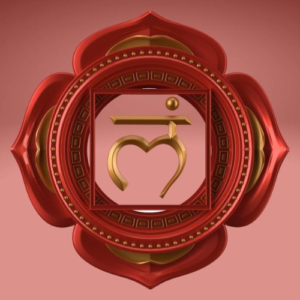
1. Root Chakra (Muladhara)

Root Chakra (Muladhara)

Location: Base of spine Color: Red Element: Earth

Governs: Safety, security, survival, grounding, and basic needs. When balanced, you feel stable, secure, and grounded. When blocked, you may experience anxiety, financial worries, or feeling unrooted.


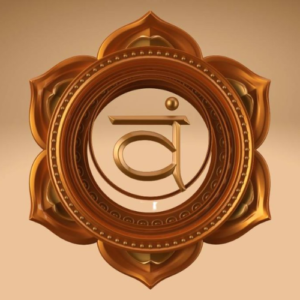
2. Sacral Chakra (Svadhisthana)

Sacral Chakra (Svadhisthana)

Location: Lower abdomen, below navel Color: Orange Element: Water

Governs: Creativity, sexuality, emotions, pleasure, and relationships. Balance brings creative flow and healthy relationships. Imbalance causes creative blocks, emotional numbness, or relationship difficulties.


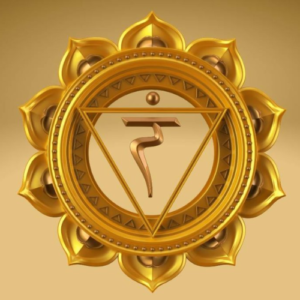
3. Solar Plexus Chakra (Manipura)

Sacral Chakra (Svadhisthana)

Location: Upper abdomen, stomach area Color: Yellow Element: Fire

Governs: Personal power, confidence, self-esteem, and willpower. A balanced solar plexus creates strong self-worth and healthy boundaries. Blockages lead to low self-esteem, control issues, or digestive problems.


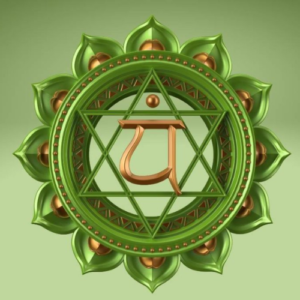
4. Heart Chakra (Anahata)

Heart Chakra (Anahata)

Location: Center of chest Color: Green or Pink Element: Air

Governs: Love, compassion, forgiveness, and connection. When open, you give and receive love freely. When blocked, you struggle with forgiveness, feel isolated, or build emotional walls.


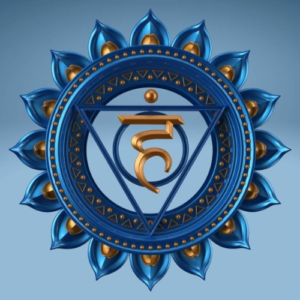
5. Throat Chakra (Vishuddha)

Throat Chakra (Vishuddha)

Location: Throat area Color: Blue Element: Ether

Governs: Communication, self-expression, truth, and authenticity. Balance allows clear, confident communication. Imbalance causes difficulty speaking your truth, throat issues, or fear of judgment.


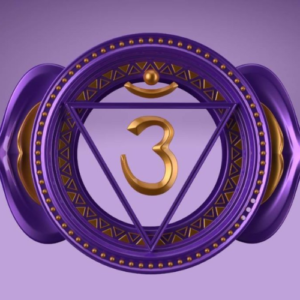
6. Third Eye Chakra (Ajna)

Third Eye Chakra (Ajna)

Location: Between eyebrows, forehead Color: Indigo Element: Light

Governs: Intuition, insight, wisdom, and inner vision. A balanced third eye brings strong intuition and clarity. Blockages cause confusion, lack of direction, or disconnection from intuition.


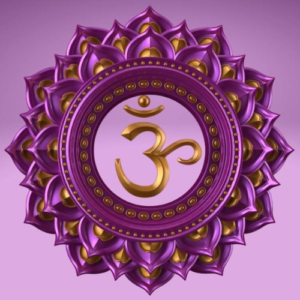
7. Crown Chakra (Sahasrara)

Crown Chakra (Sahasrara)

Location: Top of head Color: Violet or White Element: Cosmic energy

Governs: Spiritual connection, consciousness, and enlightenment. Balance creates a sense of purpose and spiritual connection. Imbalance leads to feeling disconnected from spirituality, lack of purpose, or depression.


Signs Your Chakras Need Healing


Physical Signs:

  1. Chronic fatigue or low energy
  2. Persistent aches and pains
  3. Digestive issues
  4. Sleep problems
  5. Headaches or migraines
  6. Tension in specific body areas

Emotional Signs:

  1. Anxiety or excessive worry
  2. Depression or sadness
  3. Feeling emotionally numb
  4. Mood swings
  5. Difficulty managing emotions
  6. Feeling stuck

Mental Signs:

  1. Confusion
  2. Lack of focus
  3. Negative self-talk
  4. Overthinking
  5. Lack of direction

Spiritual Signs:

  1. Feeling disconnected from purpose
  2. Lack of intuition
  3. Spiritual emptiness
  4. Difficulty in meditating
  5. Feeling ungrounded

The Powerful Benefits of Chakra Healing


Physical Benefits

Chakra healing promotes overall wellness by restoring energy flow. Many people experience reduced pain, improved sleep, increased vitality, better immune function, and relief from tension in physical body. While not a replacement for medical care, energy healing complements the treatments beautifully.

Emotional Benefits

It helps to release the stored emotions and trauma from your energy field and heals your emotions. Clients often report reduced anxiety, emotional balance, release of old wounds, greater peace, and improved mood after chakra healing sessions.

Mental Benefits

When energetic blockages are cleared, it leads to mental clarity, reduced mental chatter, better decision-making, enhanced creativity, and improved focus. When your energy flows freely, so does your thinking.

Spiritual Benefits

Chakra healing deepens your spiritual connection, enhances intuition, creates a sense of purpose, and brings inner peace & harmony.

Relationship Benefits

Balanced (especially your heart and throat) chakras can transform relationships through improved communication, healthy boundaries, more compassion, healing of old patterns, and helps to transform overall relationship.


What to Expect in Your First Chakra Healing Session


Before Your Session

Your practitioner will discuss your concerns, life challenges, and specific areas needing attention. They’ll scan your energy field to identify imbalances or blockages in your chakra system.

During the Session

You’ll relax fully clothed on a table or seated . Soft music creates a peaceful atmosphere as your practitioner works through each chakra systematically. Using hands-near techniques, they channel healing energy to clear blockages and restore balance.

You may experience:

  1. Warmth or tingling sensations
  2. Deep relaxation
  3. Emotional release (tears mostly)
  4. Feeling energy movement in your body
  5. A peaceful, meditative state

All of these experiences are completely normal and part of the healing process.


After Your Session

Most people feel deeply relaxed, peaceful, and lighter immediately after a session. Your energy system continues integrating the healing for 24-72 hours. During this time, drink plenty of water, rest if needed, and be gentle with yourself. You might experience vivid dreams, continued emotional processing, or heightened intuition.


How Often Should You Get Chakra Healing?

For acute issues or deep transformation, many people benefit from weekly sessions for 3-5 weeks. For maintenance and continued balance, monthly or quarterly sessions work well. Your body will guide you to the right frequency.

Simple Practices to Support Your Chakras Daily


Root Chakra: Walk barefoot on earth, practice grounding meditation, wear red, use grounding essential oils like patchouli

Sacral Chakra: Dance, engage in creative activities, practice hip-opening yoga, enjoy water (baths, swimming)

Solar Plexus: Practice confidence-building affirmations, engage your core in exercise, spend time in sunshine, set healthy boundaries

Heart Chakra: Practice loving-kindness meditation, spend time in nature, wear green or pink, practice forgiveness

Throat Chakra: Sing or chant, journal your truth, practice honest communication, wear blue

Third Eye: Meditate daily, practice visualization, trust your intuition, limit screen time before bed

Crown Chakra: Meditate, pray, spend time in silence, practice gratitude, connect with something greater than yourself

Is Chakra Healing Right for You?

Chakra healing is safe and beneficial for almost everyone. It’s particularly helpful if you’re experiencing chronic stress, emotional overwhelm, feeling stuck in life patterns, navigating major transitions, seeking spiritual growth, or simply wanting to maintain optimal wellness.

However, energy healing is a complement to, not a replacement for, medical or psychological care. Always maintain appropriate healthcare while using chakra healing as a supportive practice.

Begin Your Healing Journey Today

Your chakras hold the key to balanced, vibrant living. When your energy flows freely, everything in your life starts flowing better.

Whether you’re dealing with specific challenges or simply want to optimize your wellbeing, chakra healing offers a gentle yet powerful path to transformation. The ancient wisdom of the chakra system combined with modern understanding creates a holistic approach to wellness that addresses your whole being—body, mind, and spirit.


Ready to experience the transformative power of balanced chakras? Your journey to harmony, clarity, and vibrant health begins with a single session.

Book Your Chakra Healing Session and discover what balanced energy feels like.


Frequently Asked Questions


Q: Do I need to believe in chakras for healing to work?

A: No. Energy healing works whether you believe in it or not, similar to how massage works regardless of belief. However, your openness and  being receptive will enhance the experience.

Q: Can I heal my own chakras?

A: Yes! Daily practices like meditation, yoga, and mindfulness can help to maintain chakra balance. However, working with a trained practitioner can address deeper blockages more effectively.

Q: How will I know which chakra needs healing?

A: Your practitioner will assess all seven chakras and identify imbalances. When you experience physical or emotional issues regularly indicates which chakra(s) needs attention.


Located in Hyderabad, The Tarotpreneur offers both in-person and online chakra healing sessions. Experience the profound benefits of balanced energy centers and start your journey to holistic wellness today.


Have you experienced chakra healing? Share your experience in the comments below, or reach out to learn more about how energy healing can transform your life.

How Astrology and Tarot Work Together | Complete Guide 2026

Have you ever wondered why many spiritual practitioners use both astrology and tarot in their readings? While these ancient practices may seem different on the surface, they share a profound connection that can offer you deeper insight, clarity, and guidance on your life path. At The Tarotpreneur, we’ve witnessed the transformative power of combining astrology and tarot for over 15 years, and we’re excited to share this knowledge with you.

Understanding the Foundations

What is Astrology?

Astrology is the study of celestial bodies and their influence on human life. Your birth chart—a snapshot of the sky at your exact moment of birth—reveals your personality traits, strengths, challenges, and life purpose. Astrology operates on cosmic cycles and fixed planetary positions, providing a structured framework for understanding your life’s blueprint.

What is Tarot?

Tarot is an intuitive divination system using 78 cards divided into the Major Arcana (22 cards representing life’s major themes) and Minor Arcana (56 cards reflecting daily experiences). Unlike astrology’s fixed nature, tarot is fluid and responsive, reflecting the present moment and potential outcomes based on your current path.

The Beautiful Connection Between Astrology and Tarot

While astrology shows you the “what” and “when” through planetary movements, tarot reveals the “how” and “why” through intuitive guidance. Together, they create a complete picture of your spiritual journey.

Shared Symbolism and Archetypes

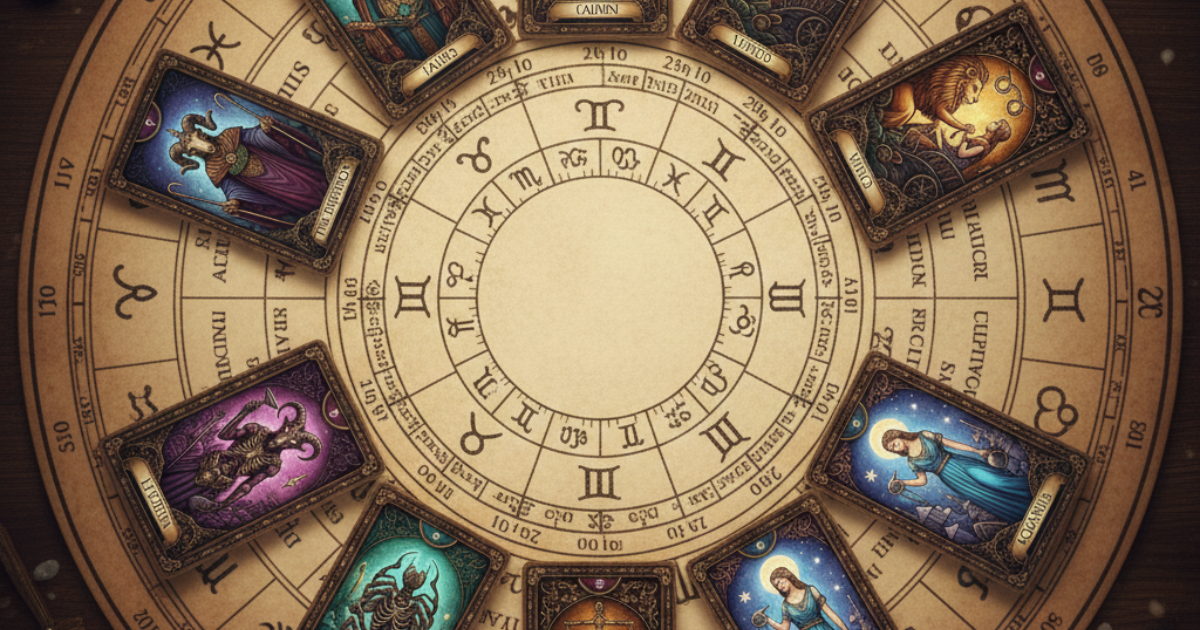
Both systems draw from the same universal archetypes and symbolic language. Each tarot card has astrological correspondences:

  • The Emperor card connects to Aries, representing leadership and authority
  • The Lovers card aligns with Gemini, symbolizing choices and communication
  • The Moon card resonates with Pisces, reflecting intuition and the subconscious

These connections aren’t coincidental—they’re part of an ancient wisdom tradition that recognizes how cosmic energies manifest in our lives.

Complementary Perspectives

Think of astrology as the map and tarot as your GPS. Your birth chart shows your life’s terrain—the mountains you’ll climb and valleys you’ll cross. Tarot provides real-time guidance, helping you navigate those landscapes moment by moment. When combined in a tarot astrology reading, you receive both the big picture and the immediate guidance you need.

How a Tarot Astrology Reading Works

During a combined astrology and tarot session, we start by examining your birth chart to understand your core patterns, current transits, and upcoming cosmic influences. Then, we use tarot to dive deeper into specific questions or areas of concern.

For example, if your birth chart shows Saturn transiting your career house, indicating a period of professional restructuring, tarot cards can reveal:

  • How to best approach this transition
  • Hidden opportunities within the challenge
  • Practical steps to take now
  • Emotional support you need during this time

This integrated approach provides both cosmic perspective and actionable guidance—the perfect combination for making empowered decisions.

The Benefits of Combining Astrology and Tarot

Deeper Self-Understanding

Astrology reveals your inherent nature and life patterns, while tarot illuminates your current emotional and spiritual state. Together, they help you understand not just who you are, but where you are on your journey.

Timing and Guidance

Astrology excels at timing—showing you when opportunities arise or challenges emerge. Tarot adds the “how”—guiding you on the best way to respond to these cosmic moments. This combination is especially powerful for major life decisions around relationships, career changes, or spiritual development.

Validation and Clarity

When astrology and tarot align in a reading, the validation can be profound. If your chart shows a challenging Pluto transit and tarot draws transformation cards like Death or The Tower, you receive confirmation that what you’re experiencing is part of a larger cosmic pattern—not just random difficulty.

Practical Application

While astrology might tell you that Venus is entering your relationship sector, tarot can show you specific actions to take or attitudes to cultivate to make the most of this romantic energy. This practical guidance transforms cosmic knowledge into lived experience.

Real-Life Applications

Career and Life Purpose

Your birth chart’s 10th house reveals your career potential and public role, while your North Node points to your soul’s purpose. When we add tarot to explore these areas, cards like The Magician or Eight of Pentacles might appear, offering specific guidance on skill development or manifestation strategies aligned with your astrological blueprint.

Relationships and Love

Synastry (relationship astrology) shows compatibility patterns and karmic connections between two people. Tarot adds emotional depth, revealing current relationship dynamics, communication blocks, or growth opportunities. A tarot astrology reading for relationships provides both the cosmic compatibility picture and practical relationship guidance.

Personal Growth and Healing

Your birth chart’s 12th house and Chiron placement indicate areas of deep healing and spiritual growth. Tarot cards can illuminate the specific emotional work needed now, offering compassionate guidance on your healing journey while astrology provides the broader context.

The Zodiac and Tarot Card Connections

Understanding the astrological correspondences enhances any tarot reading:

Fire Signs (Aries, Leo, Sagittarius) connect to Wands cards—representing passion, action, and creativity

Earth Signs (Taurus, Virgo, Capricorn) align with Pentacles cards—symbolizing material matters, security, and manifestation

Air Signs (Gemini, Libra, Aquarius) correspond to Swords cards—reflecting thoughts, communication, and mental clarity

Water Signs (Cancer, Scorpio, Pisces) resonate with Cups cards—expressing emotions, intuition, and relationships

When these elements appear together in a tarot astrology reading, the message becomes crystal clear and deeply personalized.

How to Experience This Powerful Combination

At The Tarotpreneur, our comprehensive approach begins with understanding your unique astrological makeup before drawing tarot cards. This ensures every reading is deeply personalized and relevant to your current cosmic weather.

Whether you’re facing a major life transition, seeking clarity on a specific question, or wanting deeper self-understanding, combining astrology and tarot offers unparalleled insight. The synergy between these ancient practices creates a reading experience that’s both profound and practical.

Moving Forward on Your Journey

Astrology and tarot aren’t just divination tools—they’re languages of the soul. When you learn to read both, you gain access to a richer, more nuanced understanding of your life’s purpose and path. You begin to see the divine choreography in your experiences, recognizing that challenges are often cosmic growth opportunities and that you’re always supported by universal wisdom.

Ready to experience the transformative power of a tarot astrology reading? Understanding how these practices work together is just the beginning—experiencing them in a personalized session brings this ancient wisdom to life in your unique journey.


Frequently Asked Questions

Q: Do I need to know my birth time for a combined reading? A: While your exact birth time provides the most detailed astrological information, we can still offer valuable insights even without it. For the most comprehensive tarot astrology reading, birth time, date, and location are ideal.

Q: How often should I get a combined astrology and tarot reading? A: Many clients find quarterly readings helpful to align with seasonal changes and major planetary transits. However, you can schedule sessions whenever you face important decisions or need guidance.

Q: Can tarot contradict what astrology shows? A: Rather than contradiction, any apparent differences usually reveal that you’re exercising your free will within the cosmic framework. Astrology shows potential, while tarot reflects your current choices and their likely outcomes.


Ready to discover what astrology and tarot reveal about your life path? Book your personalized tarot astrology reading with The Tarotpreneur today and experience the profound clarity that comes from combining these ancient wisdom traditions.

Located in Hyderabad, we offer both in-person and online consultations to serve clients throughout India and beyond.