



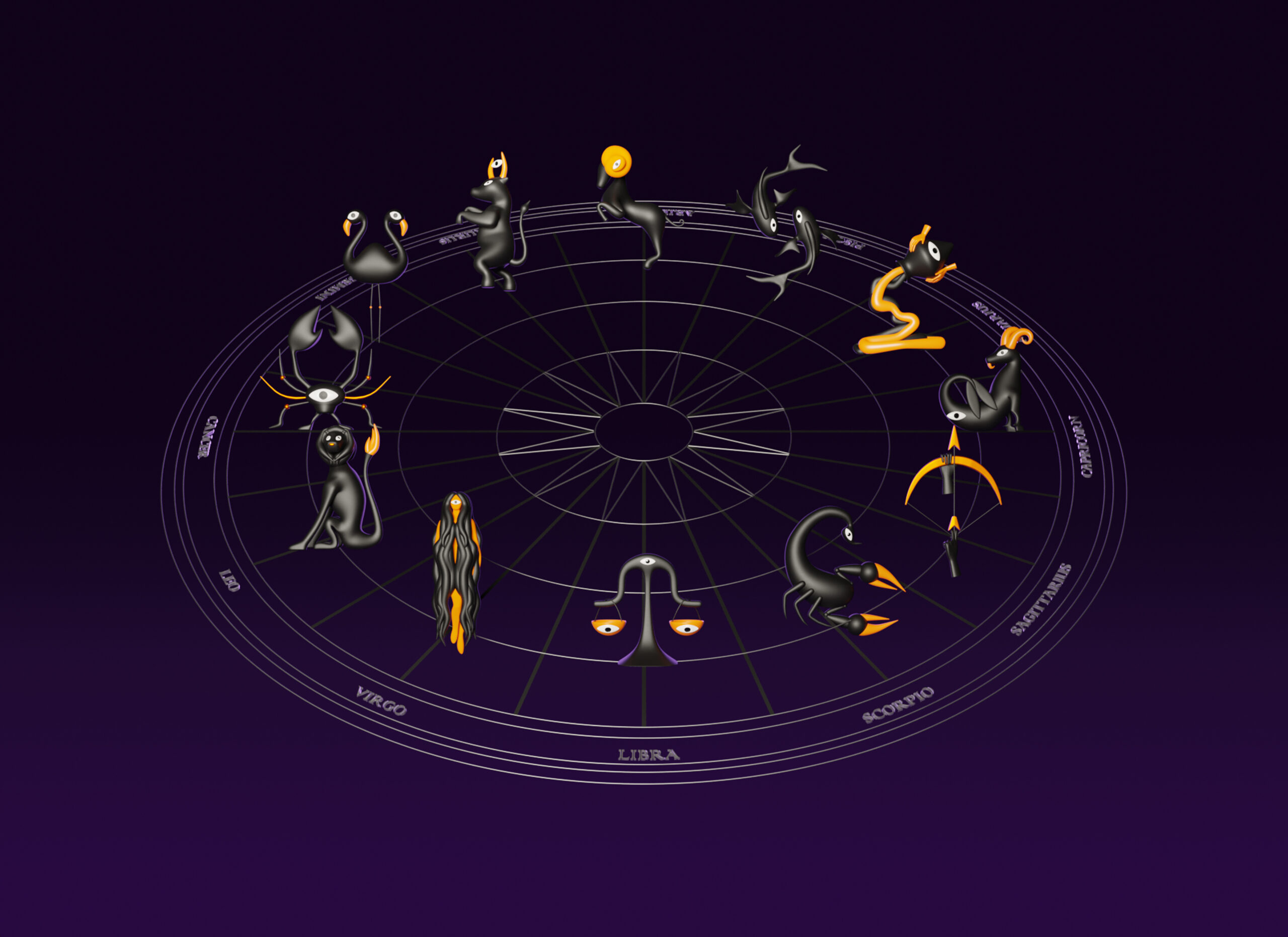
Have you ever wondered why you’re so much more than just your zodiac sign? While your Rashi (Sun sign) is important, it’s only one piece of your cosmic puzzle. Your complete Kundali—also called Janma Kundali or birth chart—is like a snapshot of the sky at the exact moment you were born, revealing your karmic blueprint, dharma (life purpose), and soul’s journey.
If Vedic astrology has always intrigued you but seemed too complex, this beginner’s guide will help you understand your Kundali and unlock its profound wisdom.
What Is a Kundali?
Your Kundali is a map of planetary positions at your exact birth time, date, and location. In Vedic astrology (Jyotish), this chart reveals your past karmas, present circumstances, and future possibilities. Unlike Western astrology, Vedic astrology uses the sidereal zodiac (actual star positions) and emphasizes the Moon sign and Nakshatras (lunar mansions).
Your Kundali captures:
- The 9 planets (Navagrahas)
- The 12 Rashis (zodiac signs)
- The 12 Bhavas (houses)
- 27 Nakshatras (lunar mansions)
- Planetary periods (Dashas)
What You Need to Create Your Kundali
To generate an accurate Kundali, you need:
1. Date of Birth – Day, month, and year
2. Time of Birth – As exact as possible (check your birth certificate)
3. Place of Birth – City and country
Your birth time is crucial as it determines your Lagna (Ascendant) and Bhava placements. Even a few minutes can change your Lagna.
The Essential Three: Rashi, Chandra, and Lagna
Your Rashi (Sun Sign): Your Soul’s Expression
What It Represents: Your atma (soul), father, authority, and vitality.
What It Reveals: Your core character, ego, and life force. In Vedic astrology, the Sun represents your soul’s current expression.
Example: Rashi in Simha (Leo) creates natural leadership qualities, while Rashi in Meena (Pisces) brings spiritual inclination.
Your Chandra Rashi (Moon Sign): Your Mind and Emotions
What It Represents: Your manas (mind), emotions, mother, and subconscious.
What It Reveals: In Jyotish, the Moon sign is considered most important as it governs your mind and emotional nature. Your Nakshatra adds deeper layers of meaning.
Example: Chandra in Karka (Cancer) needs emotional security, while Chandra in Kumbha (Aquarius) needs mental freedom.
Your Lagna (Ascendant): Your Physical Body and Life Path
What It Represents: Your physical body, health, personality, and how you approach life.
What It Reveals: The Lagna is the foundation of your entire Kundali. It determines which planets become benefic or malefic for you and shows your karmic lessons.
Example: Kanya Lagna (Virgo) appears analytical and service-oriented, while Dhanu Lagna (Sagittarius) seems optimistic and philosophical.
Understanding the Navagrahas (Nine Planets)
Vedic astrology considers nine planets (including Rahu and Ketu, the lunar nodes):
1. Surya (Sun) – Soul and Authority
Your self-confidence, father, government, vitality, and spiritual growth.
2. Chandra (Moon) – Mind and Emotions
Your mental peace, mother, emotions, and public image. The most important planet in Jyotish.
3. Mangal (Mars) – Energy and Courage
Your courage, siblings, property, and physical strength. Can cause Mangal Dosha in certain positions.
4. Budh (Mercury) – Intelligence and Communication
Your intellect, communication, business skills, and analytical abilities.
5. Guru (Jupiter) – Wisdom and Expansion
Your dharma, wisdom, children, wealth, and spiritual teacher. The great benefic in Vedic astrology.
6. Shukra (Venus) – Luxury and Relationships
Your marriage, luxury, arts, and material comforts. Another benefic planet.
7. Shani (Saturn) – Karma and Discipline
Your karmic lessons, longevity, hardships, and discipline. Teaches through restrictions and delays.
8. Rahu – Worldly Desires
Illusions, foreign connections, sudden gains, and material ambitions. A shadow planet creating intense desires.
9. Ketu – Spiritual Liberation
Detachment, spirituality, past life karma, and moksha. The other shadow planet bringing spiritual insights.
The 12 Bhavas (Houses): Life Areas
Each Bhava represents specific life areas:
1st Bhava (Tanu) – Self: Physical body, personality, health
2nd Bhava (Dhana) – Wealth: Finances, family, speech, food
3rd Bhava (Sahaja) – Siblings: Courage, siblings, short journeys, skills
4th Bhava (Sukha) – Home: Mother, home, vehicles, inner peace,
5th Bhava (Putra) – Children: Children, creativity, intelligence, past karma
6th Bhava (Ripu) – Enemies: Diseases, debts, enemies, service, obstacles
7th Bhava (Kalatra) – Marriage: Spouse, partnerships, business, public image
8th Bhava (Ayur) – Longevity: Transformation, longevity, inheritance, occult
9th Bhava (Dharma) – Fortune: Father, luck, dharma, higher learning, spirituality
10th Bhava (Karma) – Career: Career, reputation, authority, actions
11th Bhava (Labha) – Gains: Income, gains, friends, fulfillment of desires
12th Bhava (Vyaya) – Loss: Expenses, losses, foreign lands, moksha, isolation
Nakshatras: The 27 Lunar Mansions
Your Moon’s Nakshatra is crucial in Vedic astrology, determining:
- Your personality traits
- Life themes and purpose
- Dasha periods (planetary cycles)
- Marriage compatibility
- Auspicious timing (Muhurta)
The 27 Nakshatras are divided among the 12 Rashis, each spanning 13°20′ and ruled by a specific planet.
Understanding Dashas: Planetary Periods
Unlike Western astrology, Vedic astrology uses Dasha systems to predict timing of events. The most common is Vimshottari Dasha (120-year cycle).
Each planet rules a specific period in your life:
- Ketu: 7 years
- Shukra: 20 years
- Surya: 6 years
- Chandra: 10 years
- Mangal: 7 years
- Rahu: 18 years
- Guru: 16 years
- Shani: 19 years
- Budh: 17 years
Your current Dasha shows which planetary energy dominates your life now.
Reading Your Kundali: Step by Step
Step 1: Identify Your Lagna (Ascendant)
This is the foundation. Note which Rashi occupies your 1st Bhava.
Step 2: Find Your Chandra (Moon Sign and Nakshatra)
Your Moon’s position and Nakshatra reveal your mental and emotional nature.
Step 3: Check Your Lagna Lord
The planet ruling your Lagna sign is your chart ruler—extremely important for predictions.
Step 4: Examine Planetary Strengths
Look for planets in own sign (Swakshetra), exalted (Uchcha), debilitated (Neecha), or friendly/enemy signs.
Step 5: Check Your Current Dasha
Know which planetary period you’re running—this shows current life themes.
Step 6: Look for Yogas (Planetary Combinations)
Beneficial yogas like Raj Yoga, Dhana Yoga, or challenging ones like Kemadruma Yoga significantly impact your life.
Common Doshas (Afflictions)
Mangal Dosha (Kuja Dosha)
Mars in 1st, 2nd, 4th, 7th, 8th, or 12th Bhava can affect marriage. Remedies include matching with another Manglik or performing Kuja Shanti puja.
Kaal Sarp Dosha
When all planets are between Rahu and Ketu, creating obstacles. Remedies include Kaal Sarp Dosha Nivaran puja.
Pitru Dosha
Afflictions indicating ancestral issues. Remedies include performing Shraddha and charity.
Shani Sade Sati
Saturn’s 7.5-year transit over your Moon sign, bringing challenges and karmic lessons. Can be mitigated with devotion and service.
What Your Kundali Can and Cannot Tell You
Your Kundali Shows:
- Karmic patterns and lessons
- Natural strengths and challenges
- Favorable and unfavorable periods
- Life purpose and dharma
- Relationship compatibility
Your Kundali Cannot show:
- Guarantee specific outcomes (free will exists)
- Replace personal effort and spiritual growth
- Predict exact events without Dasha analysis
- Override your choices and actions
Vedic Remedies (Upayas)
When facing challenging planetary periods, Vedic astrology offers remedies:
- Gemstones (Ratna): Strengthening beneficial planets
- Mantras: Chanting specific planetary mantras
- Pujas: Performing rituals for planetary peace
- Charity (Daan): Donations on specific days
- Fasting (Vrata): Fasting on planetary days
- Yantras: Using geometric symbols for planetary energies
Always consult a qualified astrologer before wearing gemstones or performing major remedies.
Taking Your Learning Further
Study Classical Texts: Brihat Parashara Hora Shastra, Jataka Parijata
Practice: Analyze Kundalis of people you know
Learn: Study Nakshatras and Dashas in depth
Consult: Get professional Kundali reading for deeper insights
Experience Your Kundali Come to Life
Reading about your Kundali is fascinating, but a professional Jyotish consultation reveals layers you’d never discover alone. An experienced astrologer interprets planetary combinations, Dasha periods, and karmic patterns specific to your life journey.
Ready to discover what your Kundali reveals? Book your personalized Vedic astrology consultation and unlock the profound wisdom of Jyotish.
Frequently Asked Questions
Q: What’s the difference between Vedic and Western astrology? A: Vedic astrology uses the sidereal zodiac (actual star positions), emphasizes Moon sign and Nakshatras, uses Dasha systems for timing, and focuses on karma and dharma. Western astrology uses the tropical zodiac and emphasizes psychological understanding.
Q: Why is my Vedic sign different from my Western sign? A: Due to the difference between sidereal and tropical zodiacs (about 23-24 degrees), your Rashi might differ from your Western Sun sign.
Q: Can Kundali predict marriage timing? A: Yes, through analyzing the 7th Bhava, Venus/Mars/Jupiter positions, and Dasha periods, a skilled astrologer can indicate favorable marriage periods.
Q: Are doshas always bad? A: Not necessarily. Doshas indicate karmic patterns requiring awareness and remedies. Many successful people have doshas that were properly managed.
Your Karmic Blueprint Awaits
Understanding your Kundali is like receiving divine guidance for your soul’s journey. Your chart reveals not just personality traits but your dharma (life purpose), karma (past actions), and the best path forward.
Ready to dive deeper into your Vedic chart? Explore our Vedic astrology services and discover the ancient wisdom of Jyotish.
Related Posts: